No products in the cart.



Psilocybin vs LSD: Understanding the Differences Between Two Psychedelics
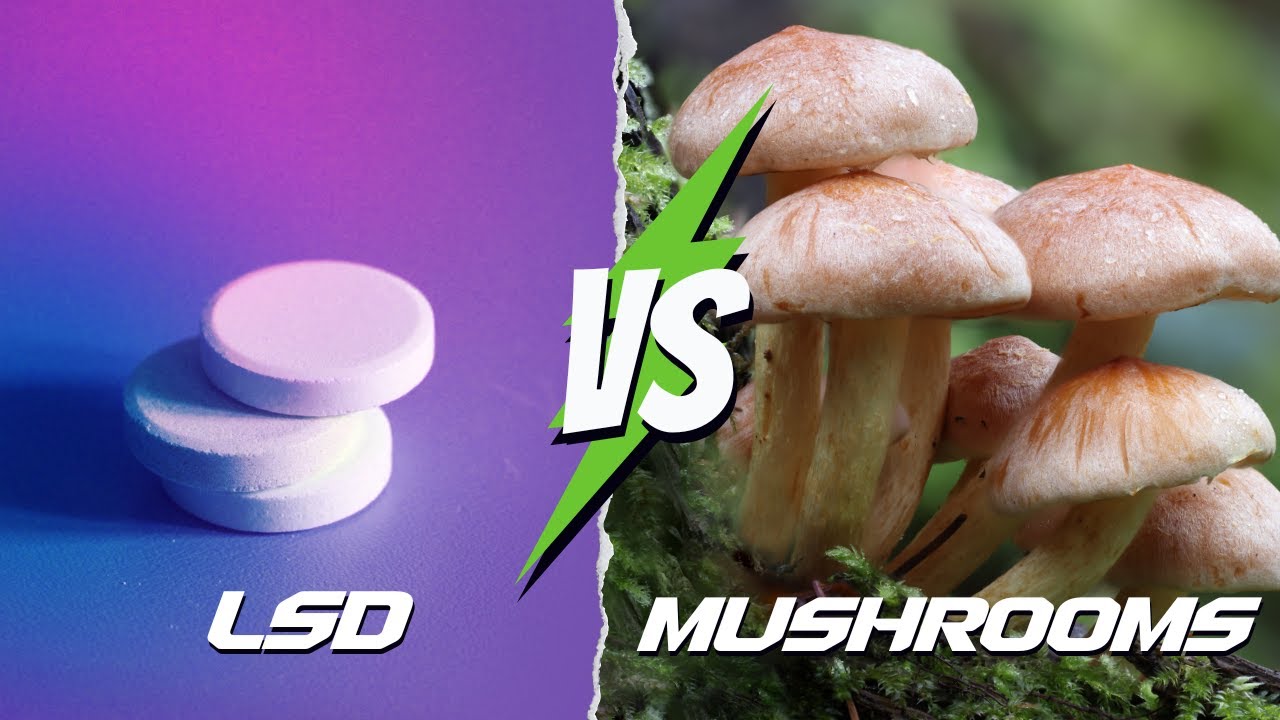
Psychedelic substances have been the subject of scientific research, cultural discussion, and public curiosity for decades. Among the most widely discussed psychedelics are psilocybin, the naturally occurring compound found in certain species of mushrooms, and LSD (lysergic acid diethylamide), a synthetic psychedelic first discovered in the 20th century.
Although both substances are known for producing altered states of consciousness, they differ in several important ways. Understanding these differences can help provide a clearer picture of how these compounds interact with the brain and how their experiences compare.
What Is Psilocybin?
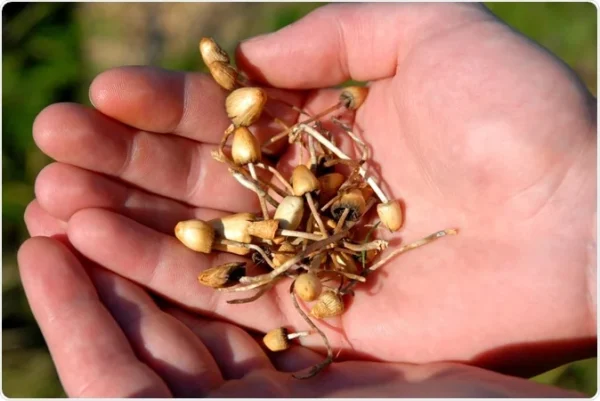
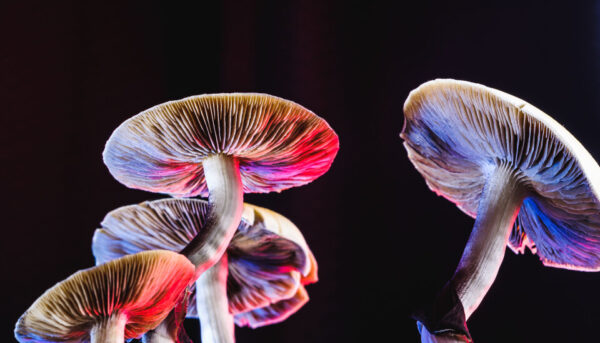
Psilocybin is a naturally occurring psychedelic compound found in over 180 species of mushrooms, commonly referred to as magic mushrooms. When consumed, psilocybin is converted by the body into psilocin, the compound that interacts with serotonin receptors in the brain.
Serotonin is a neurotransmitter responsible for regulating mood, perception, cognition, and emotional processing. By influencing serotonin receptors, psilocybin can produce changes in perception, thought patterns, and sensory awareness.
Historically, psilocybin-containing mushrooms have been used in spiritual and cultural contexts for centuries. Today, they are also the subject of increasing scientific research examining their effects on mental health and brain connectivity.
If you want to learn more about how psilocybin works in the brain, you may also find our article on psilocybin and neuroplasticity helpful.
What Is LSD?
LSD, or lysergic acid diethylamide, is a synthetic psychedelic compound that was first synthesized in 1938 by Swiss chemist Albert Hofmann. Although it is not naturally occurring like psilocybin mushrooms, LSD interacts with the brain in a similar way by influencing serotonin receptors.
LSD is known for producing powerful psychedelic effects that can include altered perception, changes in thought patterns, and intensified sensory experiences. Because it is highly potent, LSD is typically consumed in extremely small amounts.
Over the years, LSD has also been studied for its potential effects on consciousness and mental health, although much of this research is still ongoing.
Differences in Duration
One of the most noticeable differences between psilocybin and LSD is how long their effect lasts.
A typical psilocybin experience generally lasts between four and six hours, although some mild aftereffects may continue beyond that time.
LSD experiences, on the other hand, tend to last significantly longer. The effects of LSD can continue for eight to twelve hours, depending on dosage and individual sensitivity.
Because of this difference in duration, psilocybin experiences are often considered shorter and more manageable in comparison.
If you are curious about how the psilocybin timeline works in detail, you can also read our guide explaining how long magic mushroom effects typically last.
Differences in Experience
Although both substances influence perception and awareness, many people report that the subjective experiences can feel different.
Psilocybin experiences are often described as more introspective and emotionally oriented. Users frequently report heightened self-reflection, emotional awareness, and a sense of connection with their surroundings.
LSD experiences are often described as more stimulating and visually intense, with stronger visual patterns and more pronounced sensory effects.
These differences are not universal, however. Individual reactions can vary depending on dosage, environment, and personal mindset.
Natural vs Synthetic Origins
Another major distinction between the two substances is their origin.
Psilocybin is found naturally in certain species of mushrooms, making it a naturally occurring compound within the fungal kingdom.
LSD, by contrast, is synthesized in laboratories. It was originally derived from compounds related to ergot fungus but is produced through chemical synthesis.
Because psilocybin occurs naturally in mushrooms, discussions around psilocybin often involve both biological and ecological perspectives related to fungi.
Scientific Research and Mental Health Studies
In recent years, both psilocybin and LSD have become the subject of renewed scientific interest. Researchers are exploring how psychedelic compounds may influence brain connectivity, emotional processing, and psychological flexibility.
Several universities and research institutions are studying psilocybin in particular because of its potential effects on neuroplasticity, which refers to the brain’s ability to form new connections.
Early studies have examined how psychedelic-assisted therapy may influence conditions such as depression, anxiety, and trauma-related disorders. While these studies are still developing, they have sparked important conversations about the role of psychedelic research in neuroscience.
Why People Compare Psilocybin and LSD
Because psilocybin and LSD share similar psychedelic properties, people often compare the two substances when learning about altered states of consciousness.
However, differences in duration, intensity, and subjective experience mean that the two compounds can feel quite distinct. Understanding these differences helps provide a more balanced perspective when discussing psychedelic compounds and the growing research surrounding them.
A Growing Area of Scientific Exploration
As interest in psychedelic science continues to grow, researchers are working to better understand how compounds like psilocybin and LSD interact with the brain.
While much remains to be studied, the renewed scientific focus on psychedelics has opened new discussions about consciousness, mental health, and human perception.
By learning about these substances through a scientific lens, people can better understand the ongoing research exploring how psychedelics influence the brain and mind.