No products in the cart.



How Long Do Magic Mushrooms Last? Effects Timeline Explained
Magic mushrooms have gained increasing attention in recent years as interest in psychedelic compounds continues to grow. One of the most common questions people ask when learning about psilocybin mushrooms is simple: how long do the effects last?
Understanding the typical timeline of psilocybin experiences can help individuals better understand how these compounds interact with the body and brain. While the exact experience varies depending on many factors, researchers have identified general stages that describe how the effects of psilocybin typically unfold.
What Determines the Duration of a Psilocybin Experience?
The duration of a psilocybin experience can vary widely depending on several factors. Each individual responds differently, and the overall timeline can be influenced by:
• dosage consumed
• body weight and metabolism
• individual sensitivity to psychedelics
• environment and mental state
• the type and form of mushroom product
Because these variables differ from person to person, the experience may feel longer or shorter depending on individual circumstances.
However, most psilocybin experiences follow a relatively predictable timeline.
Stage 1: Onset (20–60 Minutes)
The first stage is the onset phase, which begins shortly after consumption. For most people, initial effects start to appear between 20 and 60 minutes.
During this phase, individuals may begin to notice subtle changes such as:
• mild changes in perception
• heightened sensory awareness
• increased emotional sensitivity
• a shift in mood or focus
Some people may also experience slight physical sensations, such as warmth or lightness in the body.
Because psilocybin must first be metabolized into psilocin, the active compound that affects the brain, the onset period can vary depending on digestion speed and the form in which the mushrooms were consumed.
Stage 2: Rising Effects (1–2 Hours)
After the initial onset, the experience gradually becomes stronger. This stage is often described as the rising phase, where perceptual and cognitive changes become more noticeable.
Common effects during this phase may include:
• enhanced colors and visual perception
• deeper introspection and thought patterns
• altered sense of time
• increased emotional awareness
For many individuals, this phase represents the transition from subtle effects into a more immersive psychedelic experience.
Stage 3: Peak Experience (2–4 Hours)
The peak phase typically occurs between two and four hours after consumption. This is when the effects of psilocybin are generally at their strongest.
During the peak period, individuals may experience:
• significant alterations in perception
• changes in how thoughts and emotions are processed
• intensified sensory experiences
• feelings of connection or introspection
Because psilocybin interacts with serotonin receptors in the brain, the peak phase often involves changes in how different brain regions communicate with each other. Some researchers believe these changes may contribute to the unique psychological experiences associated with psychedelic compounds.
Stage 4: Gradual Comedown (4–6 Hours)
Following the peak, the experience gradually begins to decline. This stage is often referred to as the comedown phase, where the intensity of effects slowly decreases.
During this period, individuals may notice:
• a return toward normal perception
• calmer emotional states
• reflective or thoughtful moods
• decreasing sensory intensity
Many people describe the comedown as a gentle transition rather than an abrupt ending.
Stage 5: Aftereffects (Up to 24 Hours)
Although the primary psychedelic effects usually fade within 4 to 6 hours, some subtle aftereffects may continue for several additional hours.
These aftereffects can include:
• increased mental clarity
• reflective thinking
• mild emotional sensitivity
• fatigue or relaxation
The intensity of these aftereffects varies from person to person.
Different Forms Can Influence Timing
The way psilocybin mushrooms are consumed can also influence how quickly effects begin and how long they last.
For example:
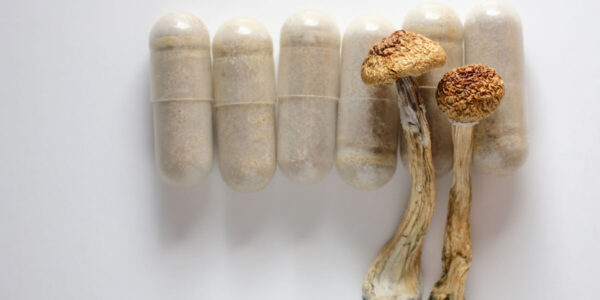
• Dried mushrooms typically follow the standard timeline described above
• capsules or powdered mushrooms may digest slightly differently depending on preparation
• mushroom chocolate products may be easier for some individuals to digest because chocolate masks the natural flavor and texture of mushrooms
Chocolate-based formats have become popular because they provide a convenient and approachable way to consume mushroom products while offering better taste and portion control.
If you are interested in learning more about this format, you can also read our article explaining why mushroom chocolate can feel different from raw mushrooms.
Factors That Can Change the Timeline
Although the general timeline described above is common, the actual experience can vary significantly depending on personal circumstances.
Several factors may influence how long the effects last:
Dosage
Higher doses generally lead to longer and more intense experiences.
Metabolism
People with faster metabolisms may process psilocybin more quickly.
Mindset and environment
Psychological state and surroundings can influence how the experience feels subjectively.
Tolerance
Repeated use over short periods may change how strongly the body responds.
Because of these variables, two individuals consuming the same amount may experience slightly different timelines.
Scientific Interest in Psilocybin Duration
Understanding how long psilocybin effects last is important for researchers studying psychedelic therapy. Many modern studies are exploring how controlled psychedelic experiences may influence mental health, emotional processing, and brain connectivity.
Researchers are particularly interested in how psilocybin may temporarily increase neuroplasticity, allowing the brain to form new neural connections and adapt more easily.
For a deeper exploration of this topic, you can also read our article on psilocybin and neuroplasticity and how it influences brain connectivity.
Final Thoughts
Magic mushrooms produce effects that typically last between four and six hours, although subtle aftereffects may persist longer depending on the individual. The experience usually follows a sequence that includes onset, rising effects, peak intensity, and gradual return to baseline.
While each person’s experience may differ, understanding the general timeline can help individuals better understand how psilocybin interacts with the body and brain.
As research continues to expand, scientists are gaining deeper insight into how psychedelic compounds influence perception, cognition, and emotional processing.