No products in the cart.


How to Store Magic Mushrooms Properly: A Complete Guide
Proper storage is one of the most important factors when it comes to maintaining the quality of magic mushrooms. Whether you have purchased dried mushrooms, capsules, or other mushroom products, storing them correctly helps preserve their integrity and prevents degradation over time.
Many people underestimate how sensitive mushrooms can be to environmental factors such as light, moisture, heat, and oxygen. When exposed to these elements for extended periods, the compounds inside mushrooms can gradually break down, which may affect their overall quality.
Understanding the correct storage methods can help ensure that mushroom products remain fresh and stable for as long as possible.
Why Proper Storage Matters
Magic mushrooms are organic materials, which means they can degrade if not handled properly. Moisture, in particular, is one of the biggest threats to mushroom quality. If mushrooms absorb humidity from the surrounding air, they may become soft or develop mold.
Light and heat can also contribute to degradation. Over time, exposure to high temperatures or direct sunlight may reduce the stability of the compounds present in mushrooms.
By controlling these environmental factors, proper storage helps maintain product consistency and longevity.
Storing Dried Mushrooms
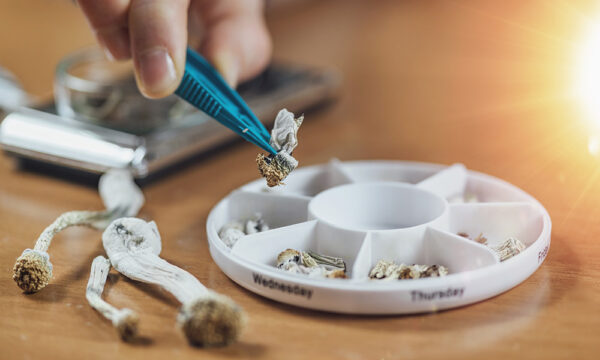
Dried mushrooms are the most common format available, and they require careful storage to remain stable.
The first rule of storing dried mushrooms is keeping them completely dry. Properly dried mushrooms should feel crisp and brittle rather than soft or flexible. If moisture is introduced during storage, the mushrooms may rehydrate and become susceptible to spoilage.
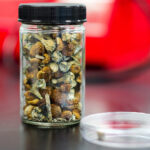
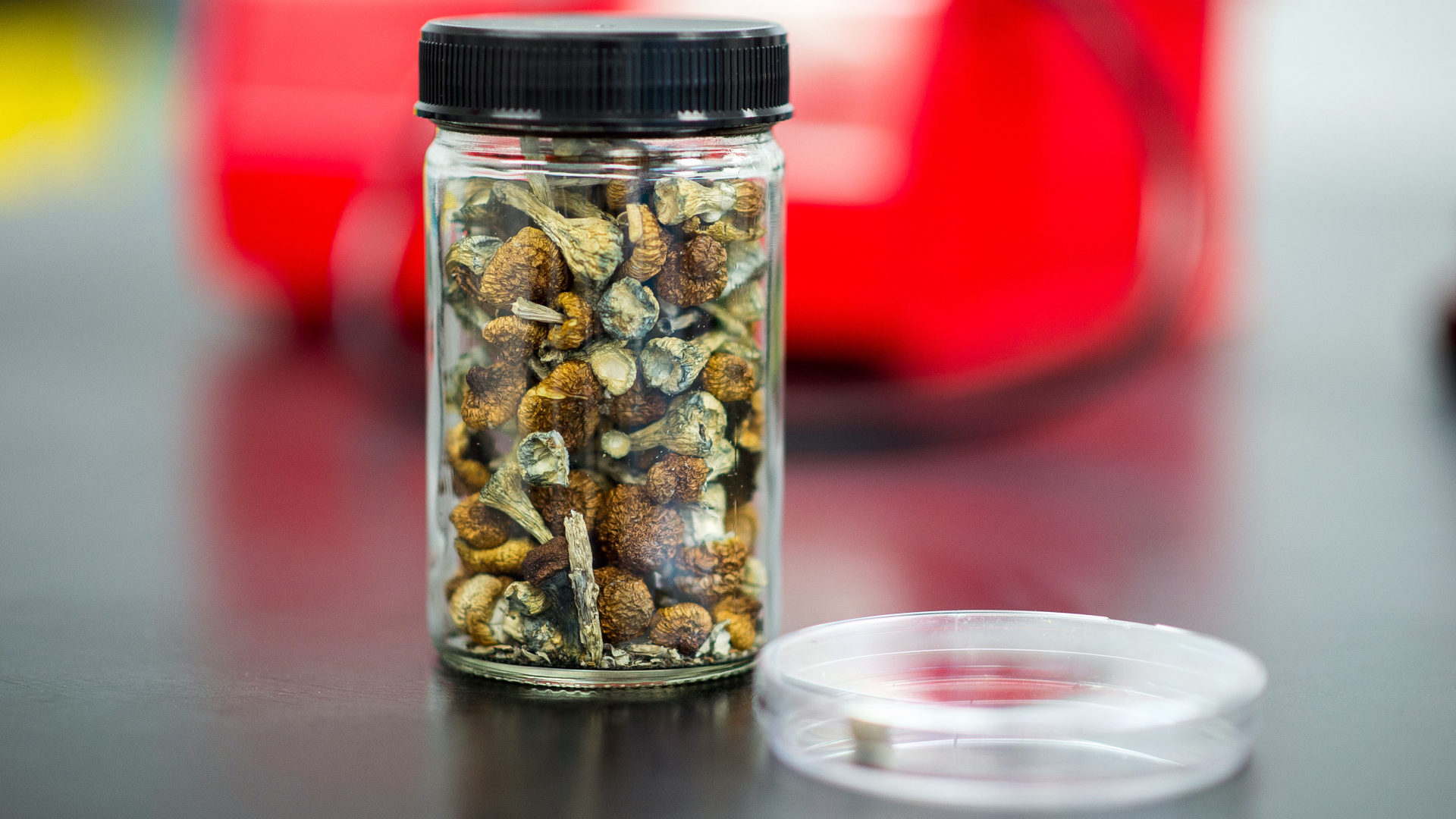
The best way to store dried mushrooms is in an airtight container. Glass jars with sealed lids are commonly used because they prevent outside air from entering.
It is also helpful to store the container in a cool, dark place, such as a cupboard or pantry. Avoid areas that experience frequent temperature fluctuations, such as near ovens or windows.
Avoiding Moisture and Humidity
Humidity is one of the most common causes of mushroom degradation. Even small amounts of moisture can affect the texture and stability of dried mushrooms.
To reduce moisture exposure, many people place food-safe silica packets or desiccant packs inside storage containers. These packets absorb excess humidity and help maintain a dry environment.
However, it is important to ensure that these packets do not come into direct contact with the mushrooms.
Keeping mushrooms in a sealed container is usually enough to protect them from environmental humidity.
Protecting Mushrooms From Light
Direct sunlight and bright light can gradually affect organic compounds in mushrooms. For this reason, it is best to store mushrooms in opaque containers or dark cupboards.
Glass jars are commonly used for storage, but they should ideally be kept inside a drawer or cabinet to limit light exposure.
Limiting light exposure helps slow down natural degradation processes and keeps mushrooms in better condition over time.
Temperature Considerations
Temperature also plays a role in preserving mushroom quality. Warm environments can accelerate chemical breakdown, while cooler temperatures help slow this process.
For most people, storing mushrooms at normal room temperature in a cool location is perfectly sufficient.
Some individuals prefer refrigeration, but it is important to ensure that mushrooms are stored in airtight containers if placed in the fridge. Refrigerators can introduce humidity, which may negatively affect dried mushrooms if they are not properly sealed.
Storing Mushroom Capsules
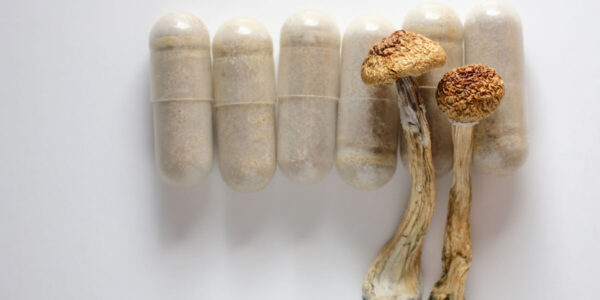
Capsules are generally easier to store than dried mushrooms because they are already packaged and sealed.
Most mushroom capsules come in bottles or containers designed to protect the powdered contents from environmental exposure. These containers should be kept closed tightly when not in use.
Capsules should be stored in a cool, dry location away from direct sunlight, similar to other dried mushroom products.
Because capsules contain powdered material, they should also be protected from moisture and humidity.
Storing Mushroom Chocolate and Infused Products
Another format that has become increasingly popular is mushroom chocolate or infused products. These products combine mushrooms with chocolate or other ingredients to create a more palatable option.
Chocolate-based products should generally be stored in cool environments, as chocolate can melt or soften if exposed to heat.
Some people prefer storing mushroom chocolate in the refrigerator to maintain its shape and texture. However, it should be sealed carefully to avoid moisture exposure.
Signs of Improper Storage
If mushrooms have not been stored properly, there may be visible signs of degradation.
Some indicators that mushrooms may have been exposed to poor storage conditions include:
- softness or spongy texture
- unusual odors
- visible mold growth
- excessive moisture inside the container
If any of these signs appear, the mushrooms may have been exposed to humidity or contamination.
Maintaining proper storage conditions helps prevent these issues from occurring.
Shelf Life of Mushroom Products
When stored correctly, dried mushrooms can maintain quality for extended periods. Many factors influence shelf life, including drying methods, packaging, and environmental conditions.
Capsules and powdered mushrooms may also remain stable for long periods when stored in sealed containers.
However, maintaining proper storage conditions remains the most important factor in preserving product stability.
Final Thoughts
Proper storage plays a critical role in maintaining the quality of mushroom products. By protecting mushrooms from moisture, light, heat, and oxygen, it is possible to preserve their integrity and extend their shelf life.
Simple steps such as using airtight containers, storing products in cool dark environments, and avoiding humidity can go a long way in protecting mushroom products over time.
As interest in mushroom products continues to grow, understanding proper storage practices helps ensure that these products remain fresh and well preserved.