No products in the cart.


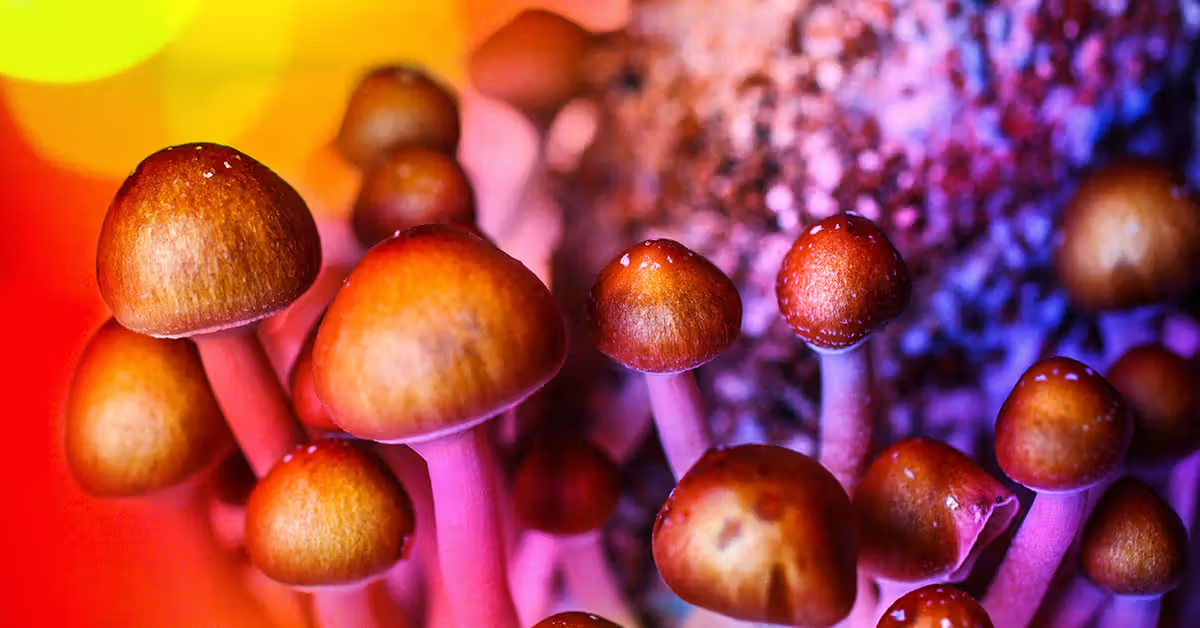
What Are Magic Mushrooms? A Beginner’s Guide to Psilocybin
Magic mushrooms have been part of human culture for centuries. Used historically in various spiritual and cultural contexts, these mushrooms contain a naturally occurring compound called psilocybin, which is responsible for their unique psychoactive effects. In recent years, magic mushrooms have gained increasing attention from scientists, researchers, and the general public as interest in psychedelic compounds continues to grow.
For beginners exploring the topic, understanding what magic mushrooms are, how psilocybin works, and why these mushrooms have become the subject of modern research can provide helpful context.
Understanding Magic Mushrooms
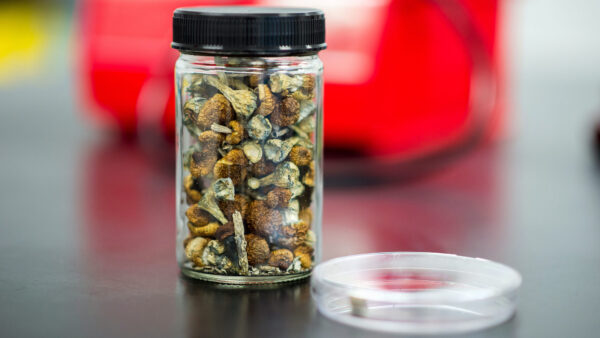
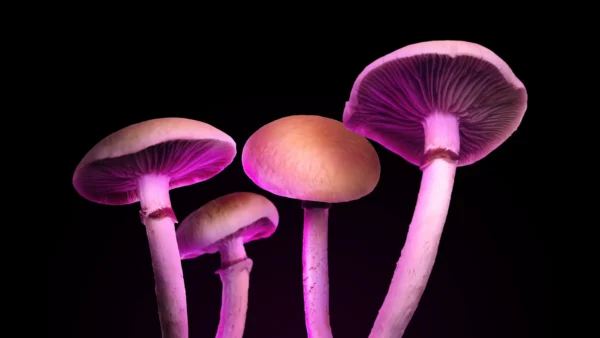
Magic mushrooms are a group of fungi that contain psilocybin, a naturally occurring psychedelic compound. There are over 180 known species of mushrooms that produce psilocybin, with some of the most well-known species belonging to the Psilocybe genus.
When consumed, psilocybin is converted in the body into psilocin, which interacts with serotonin receptors in the brain. Serotonin is a neurotransmitter responsible for regulating mood, perception, cognition, and emotional processing. Because of this interaction, psilocybin can influence how individuals perceive the world around them and process thoughts and emotions.
The effects of psilocybin vary depending on several factors, including dosage, environment, individual mindset, and personal sensitivity. Experiences may include changes in perception, heightened awareness, altered thinking patterns, and increased emotional introspection.
A Long History of Cultural Use
Magic mushrooms have been used in various cultures for thousands of years. Historical evidence suggests that indigenous communities in regions such as Central and South America incorporated psilocybin-containing mushrooms into ceremonial and spiritual practices.
These traditions often viewed mushrooms as tools for introspection, spiritual exploration, or healing. While modern interest in psilocybin has grown through scientific research, the historical context of these mushrooms demonstrates that humans have been interacting with them for a very long time.
Today, much of the discussion around magic mushrooms focuses on scientific understanding and potential therapeutic research rather than traditional ceremonial use.
How Psilocybin Works in the Brain
When psilocybin enters the body, it is metabolized into psilocin, which interacts with serotonin receptors, particularly the 5-HT2A receptor. This interaction can influence communication between different regions of the brain.
Brain imaging studies have shown that psilocybin may temporarily change how neural networks interact. One of the networks most commonly discussed in research is the Default Mode Network (DMN), which is associated with self-reflection and internal thought patterns.
During psilocybin experiences, activity in this network may decrease, while communication between other regions of the brain becomes more dynamic. Some researchers believe this shift may contribute to the changes in perception, thinking, and emotional processing reported during psychedelic experiences.
Why Magic Mushrooms Are Being Studied
In the past decade, scientific interest in psychedelic compounds has increased significantly. Universities and research institutions have begun studying psilocybin to better understand how it affects the brain and whether it may have potential applications in mental health research.
Some early clinical studies have explored psilocybin in controlled therapeutic settings to examine its effects on conditions such as depression, anxiety, and trauma-related disorders. Researchers believe that psilocybin may temporarily increase neuroplasticity, which refers to the brain’s ability to form new connections and adapt.
Although research is still ongoing, these studies have sparked interest in understanding how psychedelic compounds influence emotional processing and cognitive flexibility.
If you are interested in the scientific side of this topic, you may also find our article on psilocybin and neuroplasticity helpful in understanding how these compounds influence brain connectivity.
Different Forms of Mushroom Products
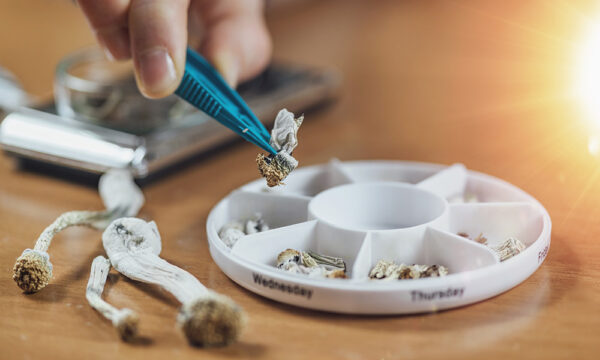
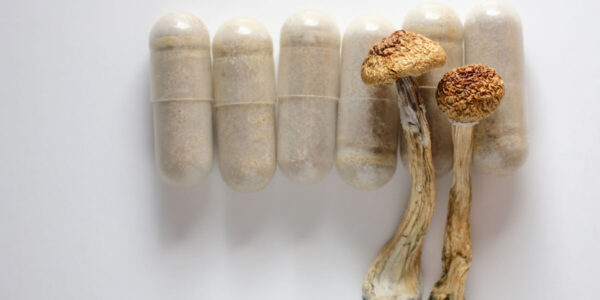
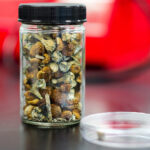
Magic mushrooms can be consumed in several forms. Traditionally, people consumed dried mushrooms directly, but modern products have introduced a variety of alternative formats.
Some of the most common product types include:
- Dried mushrooms – the traditional format
- Capsules – powdered mushrooms encapsulated for convenience
- Tinctures or extracts – concentrated liquid preparations
- Mushroom chocolates – mushrooms combined with cacao-based chocolate products
Each format offers a slightly different experience in terms of taste, convenience, and preparation.
For example, chocolate-based products have become popular because the flavor of cacao helps mask the natural earthy taste of mushrooms while also allowing for easy portioning.
Factors That Influence the Experience
Several factors influence how someone experiences psilocybin. These include:
Mindset (Set)
A person’s emotional state, expectations, and overall mental condition before the experience can influence how they perceive it.
Environment (Setting)
The surroundings where the experience takes place can also play a major role. Comfortable and familiar environments tend to promote calmer experiences.
Dosage
The amount consumed can significantly influence the intensity and duration of effects.
Because of these variables, experiences can differ greatly from person to person.
Growing Public Interest
Public awareness of magic mushrooms and psilocybin has grown considerably in recent years. Media coverage of psychedelic research, discussions about mental health, and broader cultural curiosity have all contributed to renewed interest in these compounds.
While psilocybin research is still developing, the growing scientific exploration of psychedelics has opened new conversations about how humans understand consciousness, emotional processing, and the brain.
As more studies are conducted, researchers continue to explore the potential implications of psilocybin in neuroscience and psychology.
Final Thoughts
Magic mushrooms are complex organisms with a long cultural history and growing scientific interest. Containing the psychedelic compound psilocybin, these mushrooms interact with the brain in unique ways that influence perception, emotional processing, and cognitive flexibility.
While research into psilocybin continues to evolve, learning about the basics of magic mushrooms can help beginners better understand why these fungi have attracted so much attention in both historical and modern contexts. Whether approached from a scientific, cultural, or educational perspective, magic mushrooms remain one of the most fascinating subjects in the ongoing exploration of the human mind.